
We create unique and exclusive dental office designs that enhance your dental practice in 4 important ways ...
Innovative - you will stand out from the rest with a unique and beautiful dental office design that surrounds your patients with a feeling of comfort and inspires a sense of trust and confidence.
Efficient - you'll appreciate an efficiently designed space layout that will significantly improve your productivity and make your dental practice a joy to operate.
Painless - we ensure that you avoid the many complex code, zoning and regulatory pitfalls saving you thousands of dollars and mountains of grief.
Unique - we offer unparalleled service from the beginning to end of your project. No other design firm delivers the level of service we provide.
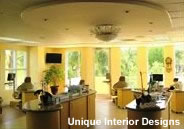
Smart dental office design is important to your bottom line but building a new dental office today has become a tangle of complexities and pitfalls and many doctors are unaware of the potential problems.
Being in the unique position as an expert in dental office design and with many years experience dealing with city planners, I can help resolve issues that may save you thousands of dollars.
As a Certified Interior Designer with over 1,300 dental offices to my credit, I use a an exclusive customized pre-planning approach that ensures we address the potential issues and design your office to fit your needs, guaranteeing your plans will go through plancheck.
To find out more, be sure to signup for our report "Ten Common Assumptions That Will Undermine a Dental Office Design Project Every Time"! You won't believe how much valuable information we give away for FREE! Get instance access to the report right now, see the sign-up box on the right.
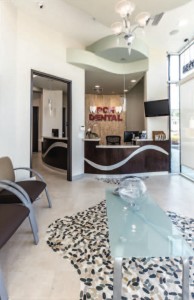 I am a Certified Interior Designer specializing in dental office design for more than 30 years. During this time I have seen numerous changes in dental office requirements from many standpoints like esthetics, overall square footage needs, operatory sizes, Americans with Disability code requirements, and various city and federal code requirements, etc. I would like to address some of these important issues so you know what to expect when looking for a new space and save yourself expense and time delaying disappointments.
Posted in Dental Office Design Dental Space Planning by .
See this dental office design we recently completed for Dr. Gerry in Jacksonville, Florida.
Dental Office Design, Jacksonville Florida
For your ideal and unique dental office design, contact George Fedyna at Unique Interior Designs.
Posted in Dental Office Design by .
Aug 15
31
Dental Office Design – Why Settle When You Can Have What You Really Want In Your New Dental Office?
Most of the time when a new client comes to me to design their new dental office they are in lease negotiations or they have already signed their lease.
Unfortunately, a lot of times they usually wind up with a lot less in their office then they really want.
Why?
Building codes cause space to be eaten up very quickly.
What I often hear is … “well, I had a l,000 square feet in my previous office so I got 1,000 square feet for my new office. I thought that I could replicate my office in the same amount of space”.
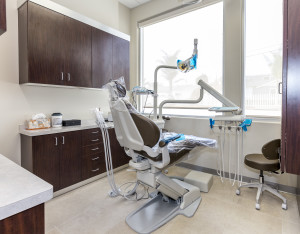 The codes change every 3 years and unless this very important factor is taken into consideration you cannot replicate what you had before in the same amount of space.
What can you do?
As a Certified Interior Designer with over 2,000 dental offices successfully designed all over the country I know the codes and how they affect every aspect of your new office.
I guarantee that after I do my space allocation and you get me that amount of usable square footage, your office will pass your local codes.
Posted in Dental Office Design by .
Many times a new client comes to me to design their dental office after they have committed to a particular space. They believe that they need the same amount of space in their new office as they had in the former office.
However, over the years, building codes have changed many times. In fact, typically, the codes change as frequently as every three years. Each time the codes change the amount of space needed is increased primarily because of the Americans With Disability Act requirements.
This brings us to the question of how much additional space is needed to accommodate the same number of operatories and meet the new codes. This is where Space Allocation comes in.
Posted in Dental Office Design by .
Jun 14
7
Dental Office Design In Seattle
Last year a dentist from Seattle, WA saw our website. Dr. S. called me and asked if I could design her new office. She said that she and husband were not happy with what had been previously designed for them by a local company. I told her that I have done dental office design for many offices throughout the United States and that I would be happy to help.
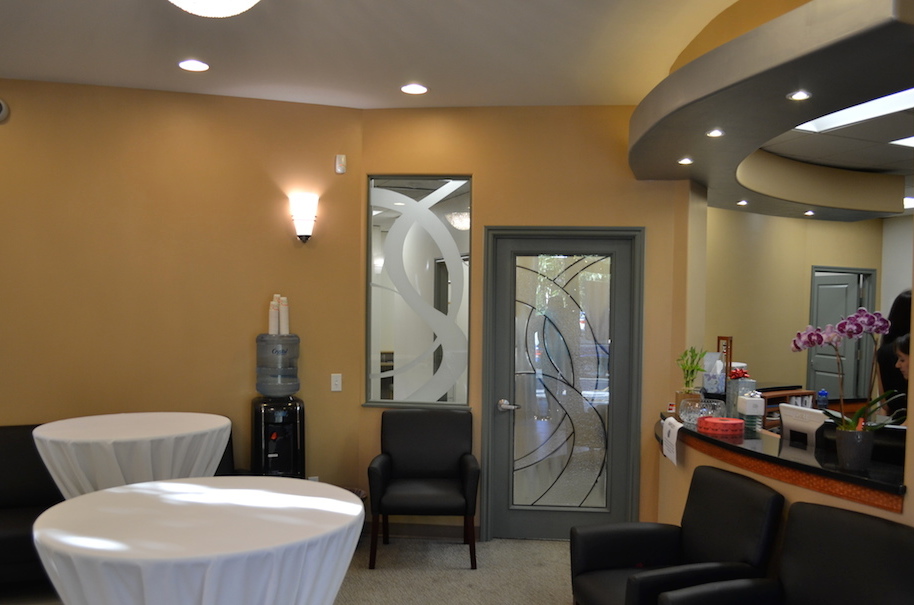
Being quite relieved she paid for my flight from California to Seattle so that I could measure the space of the office she purchased and provide her with a space allocation to determine how best to meet her needs within the existing square footage. However she was somewhat concerned whether I would be able to submit her plans to the local building department for approval.
Thank you to the many doctors who have provided positive feedback for my “Don’t Assume” blog posts. Many of my clients have shared with me how they have used the dental office design information to their advantage.
For a change of pace, I’ve decided to begin a new series of blog posts based on the many situations that occur during my field inspections. I hope you continue to find these dental office design insights valuable and helpful.
To start off the series, let me share with you one of the most common dental office design issues that comes up. That would be disabled access and the many codes and regulations that you need to be aware of.
One of the most critical steps to achieve your ideal dental office design is a carefully prepared and well-thought out plan with precise drawings that articulate every detail. More important, a dental office design needs to match your specific needs and requirements that best utilize your office space. And every dental practice, office space and building requirement is unique, hence the name of my company “Unique Interior Designs”.
What About Those Generic Floor Plans?
Don’t be tempted to solve your unique and specific office design by trying to utilize a generic, boilerplate dental office floor plan. Perhaps you have seen these drawings? You might be thinking, in an attempt to save a few dollars, that some sort of generic or standard dental office floor-plan layout for a 1500 square foot space should do the trick.
You’d be making a big mistake, actually. There really is no such thing as a “standard dental office floor plan” that would work in every situation or would actually meet the specific needs and requirements that you have for your dental practice.
I Don’t Provide Generic Dental Office Floor Plans
For this reason, I refrain from making generalized dental office floor plans available on this website. I would be doing you a disservice if I somehow led you to believe these boilerplate floor plans would actually work for your dental office.
Nonetheless, I am asked from time to time …. “hey George, it would be helpful if I could see a sample of your work. Could you provide some sample drawings and designs to look at …”
Posted in Dental Office Design Dental Office Floor Plans by .
When purchasing a home most home buyers have their house inspected so they know what the potential problems are before purchasing. For instance, is the roof in good condition, is the plumbing and electrical up to date?
While this may be extremely beneficial for home buyers, it’s not nearly enough for dental office suites. I have worked with many doctors who did a general inspection and felt their dental office property was worth the investment. Unfortunately, this is not always the case.
 Here’s an example from a client of mine that will give you a better illustration of what I’m talking about …
Through a series of articles that I continue to publish here at the Unique Interior Designs website, I hope that I’ve been able to communicate the value that a qualified dental office design professional can bring to the table. Sometimes the best examples that I can provide come directly from some of my clients in the form of a much appreciated testimonial.
If you have been following this blog, you know that one of the key dental office design principles that I preach over and over again is “don’t assume anything”. In a testimonial from Dr. Howard Glassman (see below), one of my recent clients, here’s a perfect example that clearly demonstrates this point.
I worked recently with Dr. Howard Glassman to design his new dental office. The first issues that I noticed would need some attention were various weak points in the air conditioning and disabled access aspects in the new office space. Because Dr. Glassman was able to bring me in before he signed the lease, I was able to work with the landlord to correct these issues at no additional cost to my client. As Dr. Glassman notes, he wouldn’t have known to check these areas.
The dentists that I work with are certainly capable business men and women, however, most of my clients would not be sufficiently knowledgeable and experienced in these areas to negotiate these type of items with the landlord.
Posted in Dental Office Design by .
If you’re thinking about buying the building where you plan to operate your dental practice, you’ll want to have the property and building thoroughly evaluated by a qualified dental office interior designer before you make any commitments. You don’t want to be caught by surprise only to discover you may have to pay for expensive additional construction work to bring the building into compliance with local building regulations and codes.
In this next article, I’d like to share with you an example from my dental office design practice that brings some of these issues to light.
Enlist A Qualified Dental Office Design Professional To Perform A Full Review and Analysis of Your Building and Property
Dr. G. wanted to move his dental practice to a new location. When he saw an office building up for sale he thought it was not only a great location for his dental office, but he could convert the building into a medical/dental building as well. Based on his previous experience, Dr. G. had known it was best to have the building checked out before he made the commitment. So Dr. G. called me in to do a thorough analysis and review of the building and property.
Posted in Dental Office Design by .
 If you're setting up, remodeling, expanding or relocating your dental office, don't take another step without obtaining this must-have FREE report.
"Ten Common Assumptions That Will Undermine a Dental Office Design Project Every Time!"
Dental Office Showcase
See our latest Dental Office design!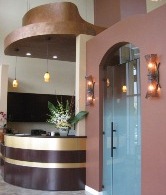
LinkedIn
